
AI tools for sports coaches in India: plans, tracking and team apps
Published , Updated , 18 min read
If you coach a team or a group of athletes in India, the fastest free starting point is this: use Heja or Spond to run schedules, attendance and team messages, and use YouCoach AI to build season plans and training sessions. Both parts cost nothing to start, both work in India without a VPN, and neither forces you to buy a wearable or an elite GPS system before you can coach better. Everything else in this article is for a specific job — endurance load tracking, video analysis, or a large academy — and each paid wall is named honestly below.
Coaching eats time in three places: planning the season, tracking who is actually improving, and keeping players and parents informed. The tools below are grouped by exactly those three jobs. A tool that does all three badly is worse than two tools that each do one job well, so do not buy an all-in-one platform until you know which of the three jobs is hurting you most.

Short answer
| Your main problem | Start with | What it costs to start |
|---|---|---|
| Planning a season and writing sessions | YouCoach AI | Free to explore; paid plans for full AI features (check the official pricing page) |
| Managing a running or endurance squad | VO2Coach | Free for coaches, athletes use the mobile app |
| Tracking squad load and readiness across many sports | PerformaX | Paid platform; check the official pricing page before committing |
| Endurance training plans with device data | TrainingPeaks | Free Basic athlete account; Premium adds advanced charts |
| Scheduling, availability and team chat | TeamSnap | Free tier for small teams under 15 players |
| Scheduling and chat with no subscription | Heja | Free with ads; Pro removes ads and adds stats |
| Scheduling and chat, free with no subscription | Spond | Free; fees only when you collect payments through it |
| Video analysis and highlight reels | Hudl | 14-day free trial; then a yearly subscription per team |
| Elite GPS and athlete monitoring | Catapult | Quote-only pricing; built for professional and elite teams |
| Writing plans, drills and parent messages fast | ChatGPT or Google Gemini | Free tiers available; paid tiers for heavier use |
Training plans: YouCoach AI
YouCoach AI is built for team-sport coaches who need a season plan, not just a single workout. You describe your season — the age group, the length of the season, your main objectives and the phases of the game you want to work on — and its AI proposes a periodization plan with macro cycles (the big blocks of the season) and micro cycles (the week-by-week detail), each with coaching notes and tips. That is the single most time-consuming document for a school or club coach, and it is the part YouCoach handles best.
Its session builder is the second useful piece. You enter the goal of the session, the training cycle you are in, the players available and their age, and it produces a professional-grade training session in seconds, including drills. You can also describe a drill in plain words and the AI structures it and gives a visual representation, which is genuinely useful when you need to explain a drill to assistant coaches or older players.
The third piece is load analysis. If you already collect simple session ratings from players — session RPE (how hard the session felt) and the Hooper Index (sleep, stress, fatigue and soreness) — YouCoach AI can analyse that data, flag players whose wellness scores are rising while their effort stays high, and warn you about overtraining risk before it becomes an injury. This only works if players actually fill in the daily numbers, so treat data collection as part of the coaching job, not as an automatic feature.
Best for: football, hockey, basketball, volleyball and other team-sport coaches who plan in seasons. Watch out for: AI session plans still need your eye. Check every drill for age suitability, space and equipment before you run it, because the AI does not know your ground, your ball count or your players’ medical history.
Endurance squads: VO2Coach
VO2Coach is an AI-powered coaching platform for running coaches. Coaches manage the whole squad from one dashboard — training plans, events, communication and progress tracking — and athletes see their plans in the mobile app. Coaches use it for free, according to its own site, which makes it one of the cheapest serious options for an endurance coach in India.
Its AI engine combines endurance science with analytics to adjust training load automatically, detect fatigue trends and recommend optimised plans. It also syncs with Garmin, so activities, progress and performance data flow in without manual entry. Strava, Coros and Polar integrations are listed as planned rather than live, so if your athletes mostly use Strava, check the current integration list before you promise them automatic syncing.
Best for: running coaches, marathon training groups and athletics coaches with endurance athletes. Watch out for: it is running-first. A football or kabaddi coach will find the endurance load model less useful than a team-sport planner like YouCoach.
Squad load boards: PerformaX
PerformaX is a squad coaching platform that covers swimming, athletics, tennis, rowing, cycling and more than 20 other sports. Its core idea is phase-first programming: you build the season structure first — Base, Build, Specific Prep, Competition, Taper — and sessions live inside those phases rather than scattered across a calendar. That matches how real coaches think, and it is a meaningful difference from a generic calendar app.
The squad load board shows every athlete’s fitness, fatigue and readiness figures (CTL, ATL and TSB) on one screen, so you can spot who is overreaching or underprepared at a glance. Athletes log daily readiness — sleep, heart-rate variability, muscle soreness and fatigue — through a mobile-friendly portal, and the platform raises duty-of-care alerts when wellness drops or overload ratios spike. There is also an AI session plan generator: describe the weekly aim, athlete levels and phase, and it produces a structured session plan, which the platform says saves 30 to 60 minutes of planning per week. You can also import old Excel programmes, PDF season plans or CSV exports, and its AI maps the columns for you.
Best for: academies and multi-sport squads that already track load and want one board for the whole group. Watch out for: this is a paid, serious platform. A solo coach with ten players on a school ground will get more value from a free team app plus a general AI assistant than from a load board nobody fills in daily.
Endurance plans with device data: TrainingPeaks
TrainingPeaks is the long-established home of endurance training plans, and its free Basic athlete account is still genuinely useful. With Basic you can log workouts on web, iOS or Android, upload workouts from more than 90 devices and apps, view workout and fitness summaries, follow a training plan or work with a coach, plan future workouts, track equipment and peak performances, and sync your calendar with Google or Outlook. That covers most of what a coach needs from an athlete’s log.
Premium adds the deeper analysis: advanced metrics and charts for intervals, more than 30 power, heart-rate, pace and distance charts, the Performance Management Chart for planning build and taper, data editing, elevation correction and weather forecasts. The honest rule is to start on Basic and upgrade only when a specific chart or planning feature blocks your work. Many Indian runners and cyclists already own a Garmin, Coros or similar watch, and TrainingPeaks accepts data from all of them, so you do not need to change hardware to use it.
Best for: running, cycling, triathlon and swimming coaches whose athletes already wear a GPS watch. Watch out for: the free tier is an athlete log, not a team dashboard. If you coach thirty athletes, you will still need a team app for scheduling and communication alongside it.
Team management: TeamSnap, Heja and Spond
These three solve the same daily problem — who is coming, where, when, and who got the message — and the choice mostly comes down to team size and tolerance for ads.
TeamSnap is the best-known option. Its free tier covers scheduling, messaging, assignments and payments for small teams under 15 players. Its paid tiers, listed on its own pricing page, are Premium at 10.83 US dollars per month and Ultra at 13.75 US dollars per month, adding availability and RSVP tracking, skill-building drills and practice plans, an ad-free experience for the team owner and managers, and larger or unlimited rosters. It also offers ready-made practice plans developed with professional leagues for sports including basketball, soccer, volleyball and flag football. If your team is small and you only need scheduling and chat, the free tier is enough.
Heja is the simplest free option: schedule, availability and team messages, free to use, with ads in the free version. Its Team Pro tier is listed from 8.33 US dollars per month on its pricing page, and US App Store listings put Pro at 13.49 US dollars per month or 99.99 US dollars per year, adding computer access, payment tracking and attendance stats and removing ads for coaches and admins. Heja is a good pick for a school team where parents just need one reliable place for fixtures and availability.
Spond is free with no subscription at all, and it says so plainly on its help page: it only makes money when clubs collect payments through the app, via Stripe. Those payment fees are per product selected — for example 1.00 US dollar plus 3.29 percent in the United States, or 0.20 pounds plus 2.5 percent in the United Kingdom — and the group can choose whether the club or the member covers the fee. If you only use Spond for the schedule and attendance, you pay Spond nothing. That makes it the cheapest honest option for a coach who never collects fees through the app, but check whether its payment rates and availability cover India before you route any money through it.
Best for: any coach whose biggest pain is attendance and parent communication rather than training science. Watch out for: all three show ads or limits on their free tiers, and prices are listed in US dollars or euros. Convert the cost, check the App Store or Google Play price in rupees, and confirm the free tier limits before you move a whole team onto one app.
Video analysis: Hudl
Hudl is the standard video tool for club and school teams that want to review matches properly. The base subscription gives you a video library where you upload match video, create clips with comments, notes and drawings, and share them with groups or individual players for feedback. Athletes can also build highlight reels and recruiting profiles from the same video. Add-ons like an auto-tracking camera or stat services integrate into the same platform.
Hudl subscriptions run for one full year, paid in full at the start, and teams can activate a 14-day trial to test the standard features. Prices vary by sport and organisation type: its club soccer page lists a Core single-team subscription at 500 US dollars per team per year, available only as part of a club package. That is a serious cost for an Indian school team, so treat Hudl as a club-level purchase, not a solo-coach impulse buy. A cheaper starting point is to record on a phone, cut clips in a free video editor, and share them in your team app — and only move to Hudl when clip review becomes a weekly habit, not a one-off experiment. For free editing help, see the free video editing tools guide.
Best for: clubs and academies that review every match on video. Watch out for: yearly, per-team, per-sport pricing. Never quote a Hudl price to a school or parent without checking the current page for your sport and country.
Elite monitoring: Catapult
Catapult is the name you will hear from professional teams, and it is worth understanding precisely so you do not overspend. Its athlete monitoring products use GPS and inertial sensors — its Vector Pro device offers 10 Hz GPS outdoors, indoor tracking, heart rate and more than 15 live metrics — and its video platform integrates performance data with video. There is also Catapult One, a version aimed at high school and youth coaches, with GPS tracking and ten core metrics.
The catch is pricing: Catapult does not publish a price list. Its pricing page asks you to request pricing for your team, which means a sales conversation, not a checkout. That alone tells you the target customer is an organisation with a budget, not a solo coach. If you run a professional academy, Catapult is worth a conversation. If you coach a school team, skip it and spend the money on balls, cones and a decent phone tripod instead.
Everyday AI help: ChatGPT and Google Gemini
Beyond the specialist tools, a general AI assistant is the most flexible cheap tool a coach owns. Use it to draft a six-week pre-season plan and then edit it yourself, to turn a long coaching note into a short parent message, to generate ten variations of a warm-up drill for different age groups, or to translate a team announcement into Hindi, Tamil, Telugu or Bengali for parents. Google Gemini is noted for strong Hindi and good Tamil, Telugu and Bengali support, and ChatGPT has a free tier with paid tiers for heavier use. The rule that applies to both: never send a player a plan or a message you have not read first. AI drafts confidently, including drills that need equipment you do not own and loads that are wrong for a child’s age.
For a broader free starting kit beyond sport, the best free AI tools guide covers the general assistants in more depth.
Using these tools in India
India adds four practical constraints that foreign reviews ignore. First, connectivity: many school grounds and district stadiums have patchy mobile data, so pick tools with a proper mobile app and offline-friendly habits — write the session on paper or in a note before you reach the ground, and sync when you are back on Wi-Fi. Second, language: parents often read Hindi or a regional language better than English, so use your AI assistant to translate announcements, but have a bilingual parent or assistant coach check the translation once before it goes to the whole group. Third, money: most paid tools bill in US dollars or euros, so a price that looks small in dollars can feel large in rupees after conversion, and school budgets rarely cover yearly subscriptions. Start free, prove the habit for one season, and only then ask a school or club to pay. Fourth, hardware: you do not need GPS vests to coach well. A phone, a stopwatch, a notebook and a free team app already cover planning, attendance and communication. Wearables and load boards come after the basics are boring and reliable.
A realistic Indian coaching stack looks like this. For a school team: Heja or Spond for scheduling and attendance, YouCoach AI for season and session plans, and a general AI assistant for parent messages. For a running group: VO2Coach or TrainingPeaks Basic, plus a team app for meet-ups. For an academy with video review: Hudl on a club subscription, plus a load board like PerformaX if you already collect daily wellness data. Add one tool at a time, run it for a month, and drop it if players or parents stop using it — an unused subscription is the most expensive tool of all.
Privacy deserves a line of its own. These tools hold children’s names, photos, locations and health-adjacent data like sleep and soreness. Use a team app’s private group settings, never post a child’s full name, photo or location publicly, get a parent’s consent before uploading a child’s video anywhere, and keep medical or injury details out of group chats. If a tool’s privacy policy is unclear, do not put children’s data in it.
What to avoid
Avoid buying an elite GPS or video system before your team reliably uses a free scheduling app for a full season — expensive hardware cannot fix an attendance problem. Avoid copying an AI training plan without checking it against your players’ age, fitness and injury history; an adult marathon plan is not a school plan with the names changed. Avoid putting injury or medical details in a shared team chat or an AI prompt, because chat logs and prompts are not medical records. Avoid promising parents a result, a selection or a deadline based on an AI prediction — performance tools show trends, not guarantees. Avoid running your whole team on a single coach’s personal account; if that coach leaves, the season’s plans and videos can leave with them, so use a club or school account wherever the tool allows it. And avoid paying for a yearly subscription during a free trial week: run the trial through real sessions and real match days first, because a tool that looks good on a laptop often fails on a muddy ground with twenty teenagers and one phone battery.
FAQ
Which AI tool is best for a sports coach in India starting from zero? Start with Heja or Spond for team management and YouCoach AI for session plans. Both are free to start, work in India without a VPN, and cover the two jobs that eat most of a coach’s week: keeping everyone informed and writing good sessions.
Can a coach use these tools without buying any wearable or GPS device? Yes. Team apps, season planners and video tools need only a phone. Wearables add load and heart-rate data, but attendance, planning and communication — the core of coaching — work fine without them. Buy a device only when a specific training question needs its data.
Is VO2Coach really free for coaches? According to its own site, coaches use VO2Coach for free and athletes access their plans through the mobile app. Check the current terms on the official site before you build a whole squad around it, because free terms can change.
What is the cheapest way to manage a school team? Spond is free with no subscription and only charges fees if you collect payments through it, and Heja is free with ads. Either one handles scheduling, availability and team messages for a school team at zero subscription cost.
How much does Hudl cost for a club team? Hudl does not have one flat price. Its club soccer page lists a Core single-team subscription at 500 US dollars per team per year as part of a club package, subscriptions last one year and are paid in full at the start, and a 14-day trial is available. Check the official pricing page for your sport before quoting any figure.
Do these tools work in India without a VPN? Yes, the tools in this article are ordinary web and mobile apps available in India, and none of them requires a VPN. If any app ever asks you to use a VPN to sign up, treat that as a warning sign and pick a different tool.
Can AI write a full season plan I can use without changes? No. AI can draft the structure, the phases and the sessions, but you must adjust it for your ground, your equipment, your fixture dates and your players’ age and fitness. The draft saves hours; your judgement makes it safe and usable.
Should a coach share AI load or injury-risk alerts directly with parents? No, not as a diagnosis. Share the training decision — for example, that a player will rest or train lightly this week — and keep the underlying health data private between the coach, the player and, where relevant, a qualified medical professional.
What should a coach do before paying for any tool in this article? Re-check the official pricing and help page on the day you pay, confirm the price in rupees including any taxes or App Store fees, confirm the free tier limits, and run the free trial through real sessions first. Prices and limits change, and this article cannot promise a price that a vendor later changes.
Final verdict
Start free: Heja or Spond for team management, YouCoach AI for plans. Pay for video or load tracking only when your squad needs it.
A note on honest limits: prices, free tiers and integrations mentioned here were verified against official and comparison pages at the time of writing, but vendors change them without notice. Before you pay, or before you promise a parent, a school or a player a price or a deadline, re-check the tool’s official pricing and help page. If two sources disagree, trust the official page over any article, including this one.
Image credits:
- Soccer coach giving instructions to young players on a training field — Photo by Bilal Moazzam on Pexels — Pexels License
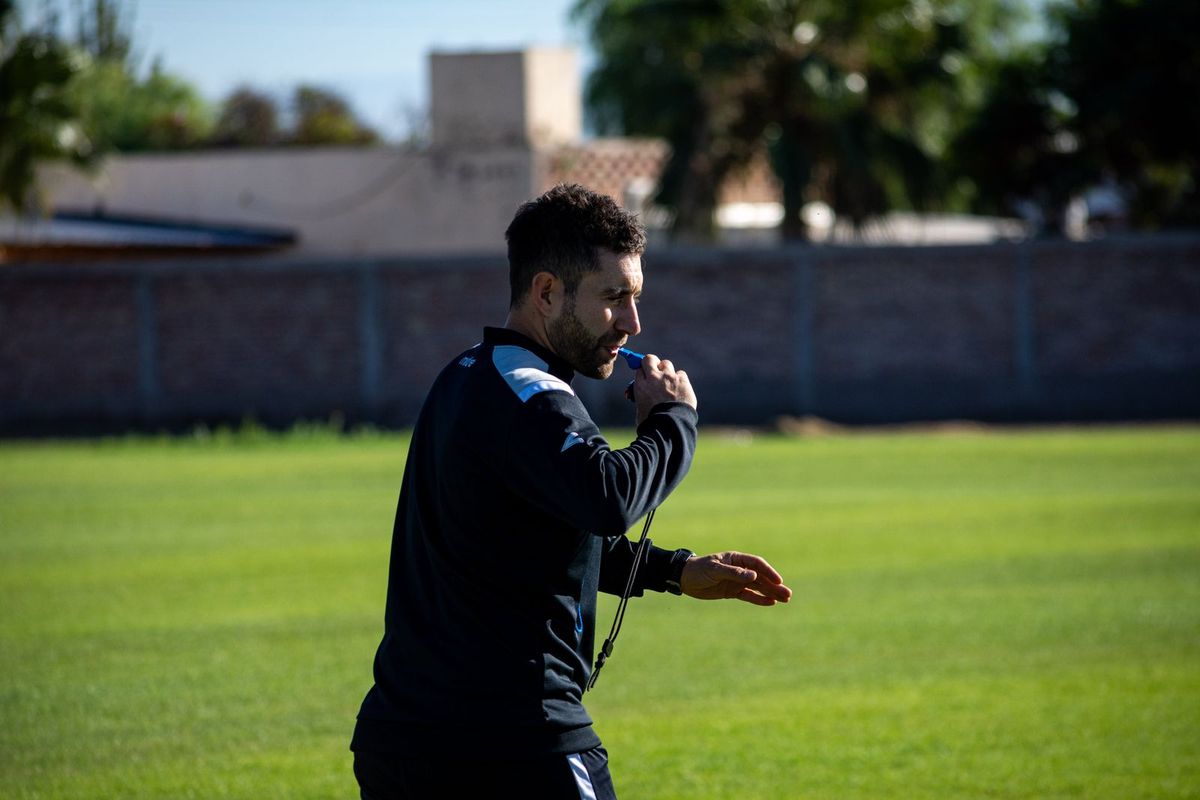
- Football coach blowing a whistle during practice on a sunny day — Photo by Franco Monsalvo on Pexels — Pexels License
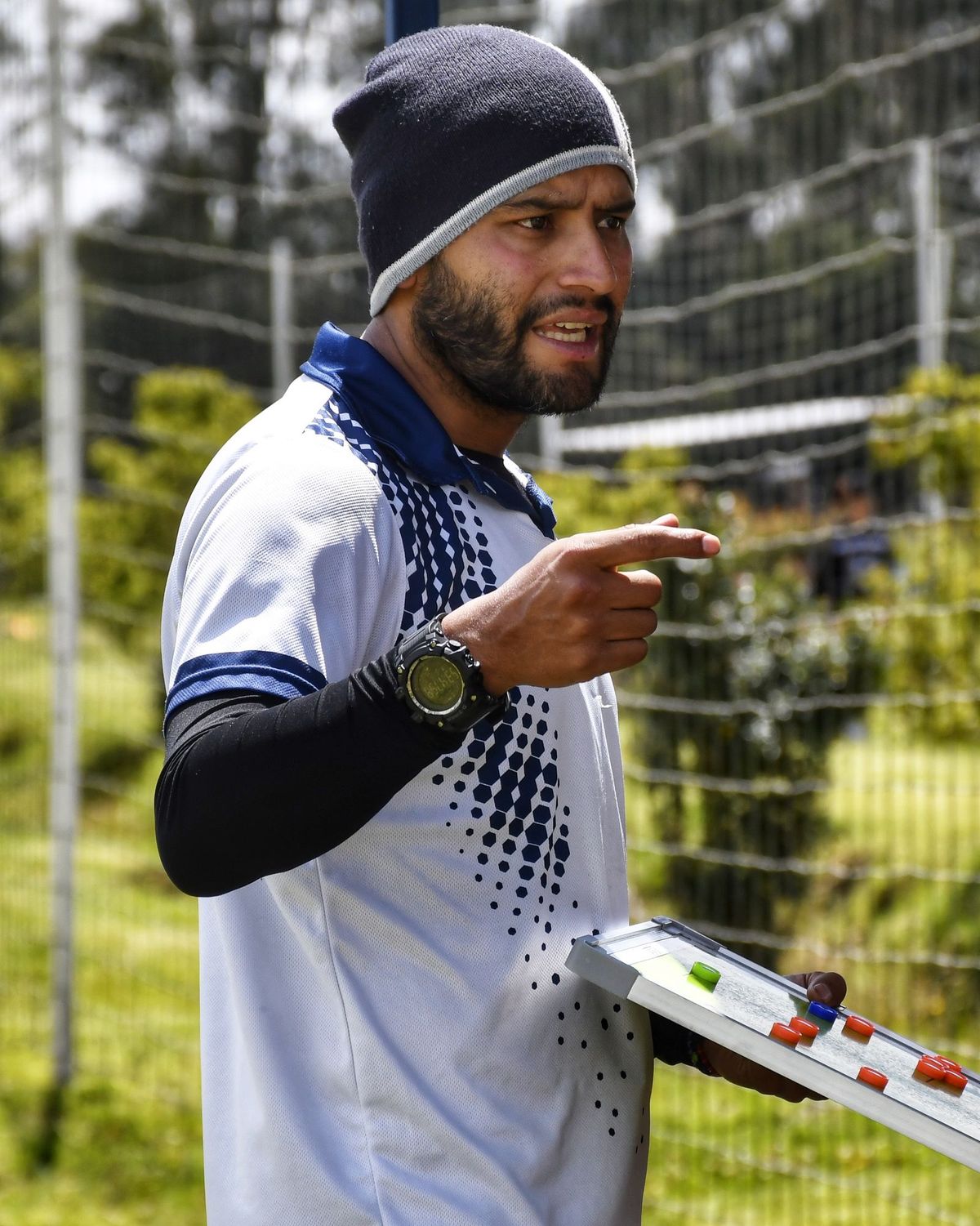
- Soccer coach explaining game strategy using a tactics board outdoors — Photo by Laura Rincón on Pexels — Pexels License